
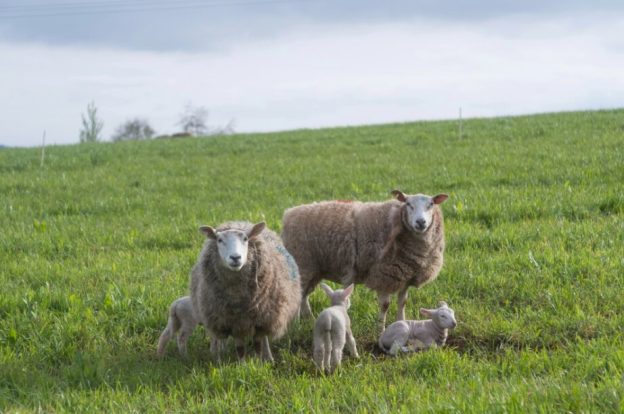
Lambing season is underway in the UK, reaching its peak in March and April. It’s fantastic to see new animals out grazing in the fields and watch their growth. However, farmers need to be careful to ensure worms won’t ruin growth rates. They may need to treat animals with wormer if there is a high worm burden.
Growth losses
The key thing to keep in mind is even a small number of worms can have a big impact on growth rates. They cause two major problems in animals. Firstly, they damage the gut, reducing nutrient intake. Secondly, they can massively reduce appetite and make animals lethargic.
Critically, worms can reduce the growth rate of lambs by 50% or more. A higher burden can also lead to weight loss. This has a big impact on farmers as well as food supplies. Smaller animals aren’t worth as much. Plus, expensive feeds will likely be going to waste. In the worst cases, animal mortality will increase.
What to do?
Fighting back against worms is the key to protecting growth rates and avoiding issues like animal losses. The right worm control strategy is essential here. This includes using FEC testing, utilising wormer when necessary, and effective pasture management.
The starting point is to do testing to get a clearer idea of worm burdens. It can be difficult to spot signs of worms at first. Plus, the levels can vary year on year depending on the weather. So, testing the number of worm eggs in faeces is important.
There are actually several benefits if you start with FEC testing. Most importantly, it can prevent you from using wormers if you don’t need to. In turn, that reduces the risk of resistance building. It also saves costs.
Notably, if you don’t need to use wormer it can actually benefit growth rates. The main aim with lambs is to keep them in the fields for as long as possible, ensuring they are eating and moving around. So, if you can reduce the need to handle and take them away from fields to dose with wormers, you can improve productivity.
Effective worming
If the FEC does indicate you need to give lambs a dose, it’s vital you do it properly. Key is choosing the right kind of active ingredient. It will provide the best results in terms of efficacy and resistance.
Crucially, you need to see which product will work most effectively on the farm. In many cases, the recommendation is to use a group 1 white drench early in the lambing season. Then, if additional worming is necessary later in the year, use a group 2 yellow or group 3 clear drench. A mid season break dose of group 4 orange drench can be useful in some cases too.
Finally, if you want to maximise lamb growth rates, always consider pasture risk. Moving lambs to clean pasture a few days after worming is a good idea. Avoid high risk pastures that have been previously grazed.
Discuss wormer with us
UK farmers have a lot to think about. It can be a very tough industry to survive in, especially with cost pressures. Being able to reduce expenses by maximising growth and cut reliance on wormers is fantastic.
If you need to order wormer, including different groups and active ingredients, you can rely on JS Hubbuck Ltd. Our product knowledge and commitment to customer service ensures clients can get the best results. So, get in touch today.