
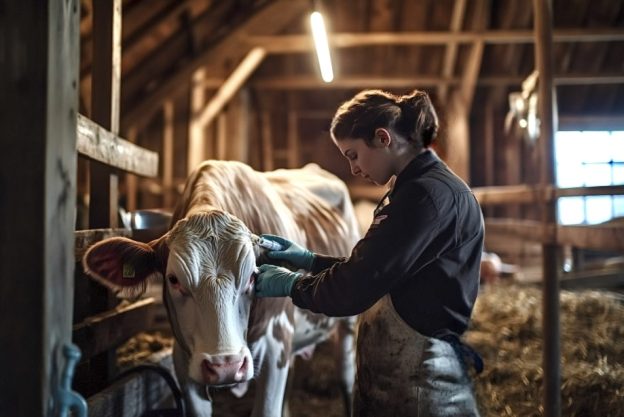
The World Organisation for Animal Health (WOAH) is warning that governments around the world need to do more to fund animal health systems. They are dangerously underfunded in numerous countries and territories. This is despite the fact that disease crises are becoming more serious. It increases the risk of food insecurity, and can also have a massive impact on human health if disease passes on to people.
A new report
WOAH’s new State of the World’s Animal Health report provides a great overview of the current landscape. It looks at key things like disease trends and risks. In addition, it provides recommendations on how to improve.
The most alarming finding in the report is that less than 1% of global spending on health is for animals. That’s just a tiny drop in the bucket. Not surprisingly, key things like veterinary care and emergency response don’t get enough funding in the majority of locations.
The costs
What makes the finding even worse is the real world cost of failing to invest in animal welfare. According to the report, we lose over 20% of animal production globally every year to disease. This can result in food insecurity and threaten livelihoods. It also has a big impact on the environment.
To put that into perspective, in 25/26 over 140 million birds were lost or culled because of avian influenza. There were thousands of outbreaks in dozens of countries and territories. In the same year there have been outbreaks of foot and mouth disease and African swine flu continues to spread. More funding for animal health is necessary to tackle these problems.
It’s also important to remember that investing in animal welfare is far cheaper than the economic losses of disease and treating outbreaks. If countries had the funds to detect and manage diseases more effectively, it would improve economic resilience and provide other benefits.
Recommendations
WOAH is recommending that governments increase funding for animal health systems. They should recognise that healthy animals are vital for public wellbeing. Crucially, they should ensure countries and territories are not vulnerable to disease outbreaks.
A key thing to look at is veterinary funding. The number of vets is declining in numerous areas around the world, so it is causing serious problems with under-sourcing. Looking at 54 different locations, WOAH estimates budgets would need to increase by 52% annually to achieve effective standards.
Most importantly, WOAH is encouraging countries, industries, and people to embrace the “One Health” concept. It ensures the focus is on collaboration to support human, animal, and plant health. It acknowledges the connections here, as well as the need to tackle the core issues that lead to crises.
Great products to improve animal health
There is a lot to think about when it comes to the health and welfare of animals. This includes feeds, vaccinations, worming, movement, farm management, housing, veterinary checks, and more. It is complex, but being proactive and investing correctly can provide massive benefits. Critically, it can protect animals, humans, and the environment.
If you need different products to help you manage animal health, JS Hubbuck Ltd has a lot to offer. We’ve been working with farmers in North England and Scotland for generations. By providing information and quality goods, we improve security and wellbeing. So, contact us if you need anything.