
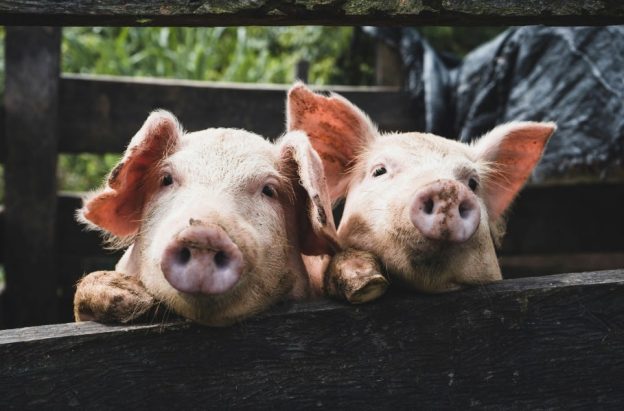
It’s been a challenging year for weather in the UK. We’ve had a handful of heatwaves, and stormy weather is forecast for autumn and winter. There are big concerns about water shortages, future food supplies, and extreme weather becoming the norm. With all of that in mind, it’s important to consider key things like infrastructure. Additionally, we must look at animal health; farm animals can be incredibly vulnerable to climate change, so they need protection.
Worries
To put into perspective how concerned people should be, the UN said in September that Earth will heat up by over 1.5 degrees Celsius in the coming years. While there have been efforts to prevent this, particularly with the Paris Agreement, it doesn’t seem like we’ve been successful. Therefore, it is vital to prepare for more challenging conditions.
Extreme weather, including heatwaves and incredibly wet periods, plus the fallout from them such as wildfires and flooding, can seriously harm farm animals. It can lead to huge number of animal deaths. This has a massive impact on the animals themselves and humans relying on animal products like meat, milk, and eggs.
There are several examples of how devastating weather events can be and the impact on animal health. For example, Hurricane Florence hit the US in 2018, causing flooding that killed millions of chickens and thousands of pigs at farms across North Carolina. The intense heatwaves in summer 2026 killed as many as 3 million chickens in France. Closer to home, more animals die in the UK in transport during hot weather.
What to think about?
There are a number of vital factors to think about if you want to protect animals in harsher climates. This includes housing, shade, water supplies, diet, and stocking density.
One of the most important things to look at is heat stress. Farm animals can be more vulnerable to it, especially breeds that prioritise rapid growth. It can cause deaths during intense heatwaves. It can also compromise their immune system, meaning they have a higher risk of disease and health problems.
Living conditions have a huge impact on animal health. The wrong type of facility can suffer from overheating, have poor air quality, and even prevent animals from cooling themselves down. For example, if pigs are in a barn with a concrete floor, they can’t wallow in mud to cool off. Similarly, if they are out in an open field, animals can’t seek shade from the sun or shelter from heavy rain.
Significantly, many farms around the world don’t have plans in place to evacuate animals if there are severe weather problems. Sadly, in some countries like the US there is little incentive because compensation may be available for animal losses. Other farmers do prepare, prioritising the safety and wellbeing of their animals. It’s important to look at this and see if it is possible to create viable emergency plans.
Get excellent advice about animal health
Climate change will have a big impact on people and animals. If you’re a farmer, there is a lot to think about. We’d be happy to help, offering information about our range of fantastic products. Contact us today to learn about different types of animal feed, wormer, and more. Plus, we can connect you to experts to design animal feed systems and housing.