
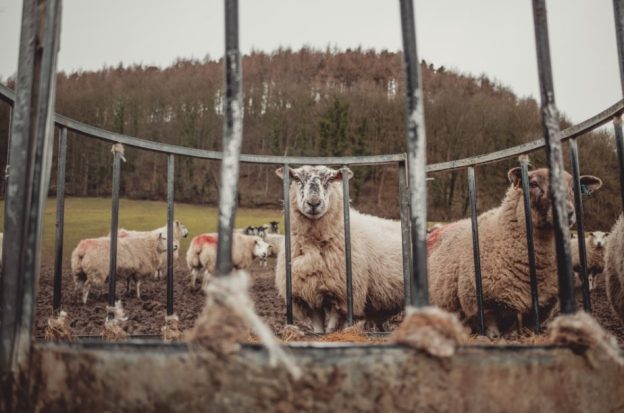
With February just around the corner, many farms will be getting ready for lambing season. However, this is a crucial time to ensure ewes have the right diet. If they don’t, there is significant risk of twin lamb disease and losing animals. We want to have a closer look here to explore what the condition is and why animal feed is so vital in the weeks before lambs are born.
What is it?
Twin lamb disease can be an incredibly serious condition. During the latter stages of pregnancy, fetuses demand a very high amount of energy. Ewes will prioritise giving energy to them, even to their own detriment. So, there can be a high chance of ewes suffering serious health conditions if they don’t get a sufficient amount of energy here.
All ewes are at risk of twin lamb disease during the latter stages of gestation. However, the risks are higher for animals that are carrying multiple fetuses (hence the name). It is also dangerous for ewes to be over or under conditioned. If it is the former, excess fat can limit space in the abdomen, reducing food intake and energy levels. Thin ewes are at risk because they don’t have fat reserves and can’t compensate if they don’t consume enough feed.
What to do?
There are a number of critical things to do if you want to address twin lamb disease. One is to ensure you are feeding ewes a good diet. It may be necessary to change animal feed to ensure they get forage and have supplements or concentrates to meet their energy and protein needs.
The key thing to keep in mind is you want to maximise rumen health. Microbes here play a crucial role in producing nutrients. However, they can die if the rumen pH is either too high or too low. Ideally, it should be near neutral. So, if you’re giving ewes high energy feeds, remember you need to be careful. It may be best to split them up into separate feedings, especially supplements and concentrates.
It’s also a really good idea to consider the quality of the forage. It plays a big role in ensuring ewes get enough energy and protein. In some situations it may be necessary to test the grass in fields. It can give you a better picture of levels of trace elements in each field. If you buy forage or are using bales, you can test them. Ultimately, you want to be confident in your animal feed strategy.
If there are fears about twin lamb disease, especially in the weeks before lambing, it’s important to do blood tests and get advice from a vet. This can detect if energy levels are deficient. It then provides more time to adjust diets to meet energy needs.
Although it is likely too late for this year, generally you should have a proper feed management plan for ewes. A key thing is they should never get to the final 6 weeks of gestation over or under conditioned. It’s best to monitor throughout and ensure they have a good body condition score.
Do you want some advice about animal feed?
As you can see, an effective feed strategy is crucial for ewes, especially during pregnancy. In fact, your goal with every animal, regardless of species and situation, should be to make sure they have a good diet to reduce the risk of disease and other problems. Selecting the right feeds and managing feeding is vital.
JS Hubbuck Ltd is happy to help if you want details about different types of animal feed. We stock a variety of products from top producers. Crucially, we learn as much as we can about them so we can pass on that information. As a result, we can help customers make purchasing decisions. Get in touch today if you’d like any details.