
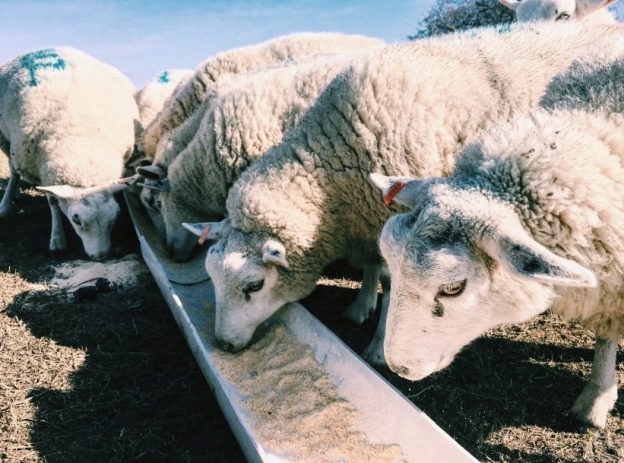
Farmers need to be aware of the various different diseases that can affect animals. One of the most serious is Bluetongue disease (BD). While it can’t harm humans, there is a risk to ruminants like sheep, cattle, deer, buffalo, goats, and more. The severity of the disease can vary, but the mortality rate can reach an astonishing 70% in sheep. Therefore, there is a significant risk to animal health and wellbeing.
Risk factors
The main thing to think about with BD is the insect vector. Midges bite animals to ingest their blood. If an animal has BD, the insects can transmit it to other animals they bite. So, if there is a higher risk of midges, there is also a higher chance of Bluetongue. Critical here is to be careful when there are periods of humid and damp.
One of the most difficult things is cattle can have BD but show very few clinical signs. At the same time, they are the ideal host for midges. As a result, there can easily be an outbreak and it could spread to different animals.
Cases
A tricky thing with Bluetongue Disease is it has a global distribution. Midges can live in various regions, including Europe, North America, and Africa. As a result, there is a risk to animal health around the world. Worse, midges can overwinter in areas with warmer climates and then spread again.
The history of BD in the UK is interesting. There was an outbreak in 08/07, but we then had over 15 years with no cases. Sadly, there were 126 cases in England in 23/24, increasing to 161 the following year. During the latter there were also 2 cases in Wales. To date this year, with the latest case on 13th December, there have been 230 cases in England and 19 in Wales. However, the arrival of colder weather means the risk of more is lower.
What to do?
The crucial thing is to monitor carefully for signs of infections. There are a number of symptoms to look for, particularly in cattle and sheep. The latter are more likely to show signs, such as mouth or nose ulcers, discharges from the eyes and nose, swelling, fever, lameness, breathing issues, and abortion. Common signs in cattle include lethargy, fever, discharge from the nose, and abortion.
In areas where BD is endemic (always present) it is important to monitor continuously. This includes monitoring infected animals and midges. There can also be restrictions on animal movement to limit the spread. Vaccination is another common control measure.
Make animal health your priority
Healthy animals are important for all stakeholders. They can give farmers the best returns, including higher yields of various products. At the same time, it is vital for food supplies and public health. So, it should be the priority.
JS Hubbuck Ltd can provide a wide selection of quality products to help farmers improve animal health. There are feeds to ensure animals have the right diet, wormers to tackle parasites, and plenty of useful tools. We can even connect you to experts to design bespoke housing and feeding solutions. So, get in touch and work with a passionate family-run company.