
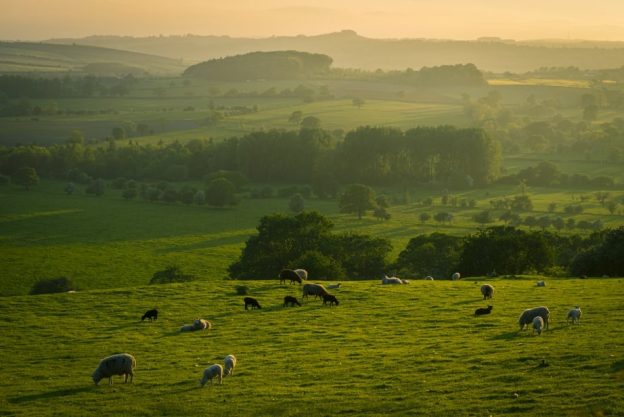
Farming is one industry where planning can really pay off. It can help to boost the yields of crops, increase the productivity of animals, and reduce costs. The right plans can even improve soil health and protect the environment. One thing you need to plan carefully is cleaner grazing. We want to have a closer look at that here because it can reduce wormer use and help to address the serious issue of parasite resistance.
What is it?
Cleaner grazing is a pasture management strategy where the goal is to reduce the parasite burden on fields. Basically, it means reducing the potential number of worms on a pasture that could infest animals. It’s a very positive move; you don’t need to worry about parasites if you can ensure the pasture is clean for the season.
A challenge
While cleaner grazing is undoubtedly a great strategy, it isn’t always easy. It can take a lot of planning to achieve the best results. As a result, farmers need to think about what they need to do, and how far in advance.
The most important thing to keep in mind is you can only be completely sure a field has a low worm burden by leaving it ungrazed by specific animals for a year at least. It can take that long after a season for parasites to hatch out and then die. If you can’t rotate fields or leave them empty for that amount of time, you may need to think about wormer.
As we said, the key here is planning. One of the best things you can do is map out how you are currently using fields. Keep a record of field use, including the season and type of animals that are grazing. You can then get an idea of the level of risk for different animals in the seasons ahead.
Another useful tip is you can ensure pasture has a low worm burden for sheep (ewes and lambs) by reserving pastures grazed by cattle. The animals will consume parasite eggs but won’t shed any. As a result, there will be a lower risk to sheep.
You can also lower the risk in the future by using a field to grow leys, seeds, or forage crops. Grasses, legumes, cereals, and brassicas, are all viable options. This gives it a break from animals, but ensures it is still earning money.
Talk to us about wormer and resistance
Farmers in the UK have a lot to think about, including animal health, costs, and the environment. Parasites are one of the most important topics because they can have a huge impact on productivity. In the worst cases, they can cause the loss of animals. It isn’t easy to tackle them either, especially because there are a limited number of wormers and parasites can build resistance over time.
It’s a really good idea to think about strategies like cleaner grazing. You should also look at how you use wormer. The recommendation today is to rely on testing first and only treat animals if they need it. Plus, be careful with how you manage animals, including when you introduce new ones that may be carrying parasites. If you need help, or want to order products, contact JS Hubbuck Ltd.