
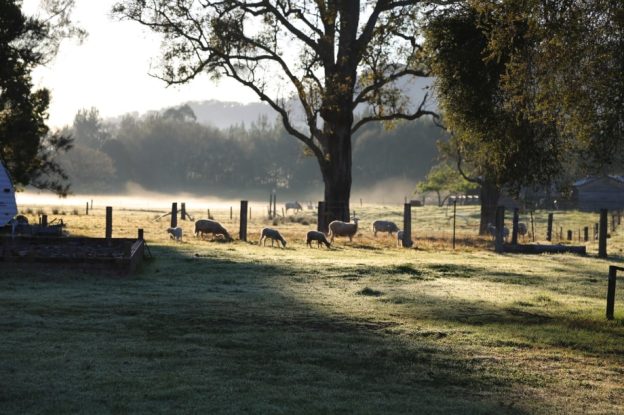
One of the hardest things in the world to successfully balance is food production and carbon emissions. It’s essential that we produce enough to satisfy demand. However, it is equally important to look at the environmental impact. New research from the University of Cambridge finds that, if we re-evaluate grazing strategies for animals, there is an opportunity to reduce emissions. But, gains can be offset and it’s vital to think about the broader supply chains, including animal feed production, fertiliser use, and transportation. Let’s have a closer look here.
An opportunity
A key thing to consider is there is a big opportunity to improve grazing management and choose effective strategies. Notably, we should make better use of rangelands. They account for a huge percentage of the land on Earth, including grassland, moorland, and heathland. In fact, as much as 50% of the UK would classify as rangeland, full of native vegetation.
The thing to keep in mind is plants can effectively sequester carbon, literally drawing it from the atmosphere and transferring it to the soil. If we improve grazing, the research suggests we could remove an extra 2.2 billion tonnes of carbon dioxide from the atmosphere annually.
There are a couple of key things to look at here. Most importantly, farmers need to focus on grazing management to prevent overgrazing. If animals overgraze, it can take a long time for plants to recover, dramatically reducing the ability to remove and sequester carbon dioxide. It may be a good idea to consider how to supplement grazing with other types of animal feed, including maize, oats, and barley, to give land a chance to recover.
Balance
While the study acknowledges the benefits of choosing good grazing strategies, it also appreciates that there can be a trade-off. Producing different animal feeds and shipping them can generate significant carbon emissions. It is vital to ensure this does not completely off-set the gains from carbon sequestration.
Ultimately, the goal should be to improve net gains. The best thing to do is create bespoke grazing and feed strategies for different areas. They can consider the essential factors to make sure that the environment benefits while also providing food security.
One of the most important things to consider is where supplementary animal feed comes from. If you’re buying it from parts of the world where there is significant carbon release because of deforestation and intensive farming, it may quickly offset any gains. This is especially true if it is imports that have a massive carbon footprint from shipping them across the planet. Ideally, you should use feeds produced locally at a lower environmental cost.
Interestingly, providing more quality feeds can actually provide an interesting benefit for the environment; it can reduce the amount of methane animals produce. The right diet can be fantastic in this regard, while also protecting grazing land to sequester more carbon.
At the end of the day, we need to remember that there is a complex system here. We must think holistically, considering the various elements and how they interact. We can then find the best opportunities to make improvements.
A helping hand when you need animal feed
JS Hubbuck Ltd has lots of happy customers because we provide friendly services and high quality products. It’s our goal to make sure everyone has a great experience, especially if you need advice and information.
So, speak to us today if you need anything, including animal feed and much more. We can help you to achieve your goals, including raising productive, healthy animals.