
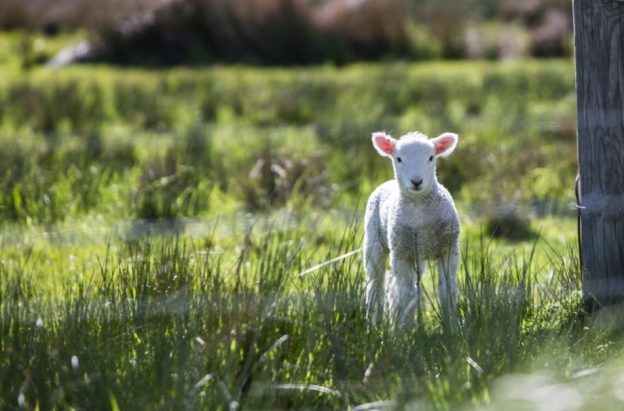
Tackling worms can be a big challenge for farmers, but is vital if you want to protect the performance of different animals. It’s important not to rely on wormer too much though; using it excessively can cause resistance. One thing to look at carefully is re-infection. Let’s do that here so you know about the risks and what to do. It can help you to get the best results, especially with lambs.
What is it?
Like any other illness, re-infection means suffering from it again shortly after treatment. It can happen for a number of reasons, including failing to complete a course of treatment or not addressing the root cause. In some cases it happens because of evolution. We saw this with covid; genetic mutations meant we eventually had several different strains. As a result, people could easily get re-infected.
When it comes to lambs, re-infection can be a serious issue. It is not necessarily a sign that there was an issue with the worm treatment though; it could be because you fail to manage them properly after treatment.
Think about the pasture
The biggest mistake here is treating lambs and then sending them back to a pasture that has a high worm burden. Re-infection can happen really quickly here. You need to do the right things to avoid it and ensure you don’t waste the wormer.
The best practice is to treat lambs and wait a few days. You can then move them to a pasture you know to be clear, preferably one that has not been grazed by lambs in a few seasons. Alternatively, you can choose one with only dry ewes or cows grazing; they can clear it of worm larvae to reduce the chance of re-infection.
Removing animals
If you have lambs that are persistently not growing and vulnerable to worms, it is generally best to remove and sell them. This will reduce the risk to the rest of the herd. Remember just a few infected animals can quickly ruin a pasture and increase the risk to a whole herd.
Housing
Another thing you can do is move lambs into housing. While this is more costly, it will prevent them from infecting any pastures. It’s a good idea for the most afflicted animals and can help you get better results with wormer. Just make sure they are properly vaccinated and have sufficient alternative feed, including forage and protein supplements. Plus, make sure you keep the housing clean.
Always consider the weather
It’s also very important to think about the weather. Summer 2023 was a tough time for farmers in the UK because July was very wet. Animals typically don’t graze near droppings. However, if there has been a lot of rain, it can help worms to travel. You need to be even more careful to move lambs to clean pasture in these cases.
The fact this summer has been very dry in the UK is good news on the worm front. However, you still need to think about pasture management, especially with lambs.
Do you need help with wormer?
As you can see, worm re-infection is a big worry with lambs. But, if you do the right things, you can be successful. It can help you improve growth and reduce costs. It’s also important to ensure you don’t misuse wormers. If you need any advice, you can contact us.