
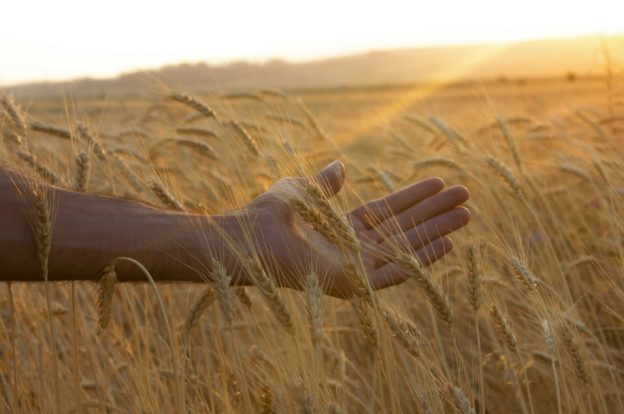
Agriculture is one of the most dangerous industries in the world. There are many risks, including heavy machinery, sharp tools, livestock, and dangerous substances. In addition, exposure to harsh weather can cause serious health problems. It’s important to ensure people know how to manage in the conditions, such as wearing waterproofs and other PPE when necessary. At the same time, it is vital to understand the dangers of overheating and how to deal with it.
The danger
The International Labour Organisation (ILO) recently released a new report that explores the serious impact of heat stress on workers. Its timing is fantastic, coming at a time when we’re seeing higher temperatures and more frequent heatwaves in various parts of the world. The headline is globally heat stress causes close to 19,000 deaths every year. Over 70% of workers experience excessive temperatures at some point, putting them at risk.
The most important thing to keep in mind is excess heat has an immediate effect on workers, including in the agricultural industry. Initially, it can make it uncomfortable to work, affecting concentration and increasing the risk of mistakes and accidents. Overheating can lead to exhaustion and heatstroke. In the long term, it can cause chronic cardiovascular and respiratory conditions. In the worst cases, it can cause deaths.
Summer 2026 has already broken many records. It was the hottest June ever in Western Europe, with new record high temperatures in the UK, Germany, and Hungary. July has also been a record-breaking month here. It’s been exceptionally dry and sunny in many areas, leading to droughts and even wildfires. Agricultural workers will have had very little need for their waterproofs.
What to do?
The HSE has some very useful guidance about what actions to take to protect people working outdoors when it’s very hot. This includes focusing on working during cooler times of the day and taking frequent breaks to hydrate and rest in the shade. If possible, introduce more shading to reduce the chance of overheating.
A key thing to do is ensure workers know how to detect the symptoms of heat stress, both in themselves and in others. This includes key things like trouble concentrating, cramping, excess sweating, intense thirst, and pale skin. Look for fatigue, dizziness/headaches, and nausea; they are signs of heat exhaustion. Confusion, loss of consciousness, and convulsions are symptoms of heat stroke.
Another vital thing to do is make sure workers cool down properly when they are resting. Remove PPE, including waterproofs, to allow heat loss and reduce body temperature.
Speaking of garments, it’s also a good idea to choose ones that can help make the conditions more manageable. Breathable hats are ideal, providing protection from the sun but avoiding overheating. Shirts that can wick moisture are great too. Plus, remember to consider the dangers of sunburn and skin cancer.
Think about what waterproofs to use
JS Hubbuck Ltd has been working in the agricultural industry for decades. We know how challenging it can be and the various risks, including hard physical work on hot, sunny days. Our goal is to ensure workers have the right equipment so they can do jobs as safely as possible.
So, contact us if you need anything.